
Save for later
Bee Different. Grow Something That Matters.
I’ve been growing things since I was a little girl—and despite all those years, I still get a lot of things wrong. Seriously. A lot. But you know what? I always have fun. Lots of fun. Gardening gives me outdoor vitamin D, joy, exercise, mental stimulation, and an endless supply of silly stories to share with friends—all for pennies compared to the cost of a movie ticket. A quality seed packet costs about $4–$5; a movie ticket can run $20. I’ll take the backyard every time.
Many of you tell me you’re planting flowers for the bees, and I don’t want to bee mean, but hydrangeas? Not the best choice for little honey bees. Impatiens and other big‑box bedding plants? Pretty as they are, they’re like a pretend garden for pollinators—hardly a drop of nectar to be found.
So this year, I’m sharing my favorite easy‑to‑grow seeds that bees truly love.
Now, full disclosure: reading (and re‑reading) instructions is very much my thing—but it’s also one of the mistakes I make most often. Because by the time I finally feel confident enough to plant… it’s kind of late in the season. So take this as your gentle nudge: read the instructions, re‑read them once if you need to, and then—get dirty.
Below, you will find beginner gardener and bee-friendly seeds. All of them can be planted directly in the ground—no fancy indoor seed‑starting required. And all of them are guaranteed to bring joy to both you and the bees.
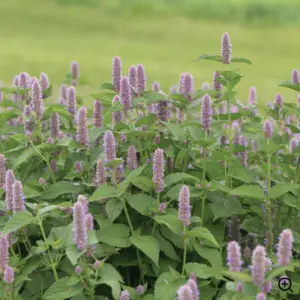
Anise Hyssop
Anise hyssop tastes like licorice…not black jelly‑bean licorice, but it’s still pretty potent. Its leaves make a delicious, naturally sweet tea and it’s great when you have an upset stomach. And the purple flower spikes are truly a dessert for the bees.
But what I love about anise hyssop most? The way it pops up in a hidden spot in your garden the following year. It doesn’t spread and take over like mint. It just…surprises you. Again and again.
Quick Start
- Best planted: direct sow (indoors optional)
- When: after last frost, warm soil
- Sun: full sun to partial sun
- Water: regular, especially while establishing
What to Watch For
- Sprouts appear in 7–16 days
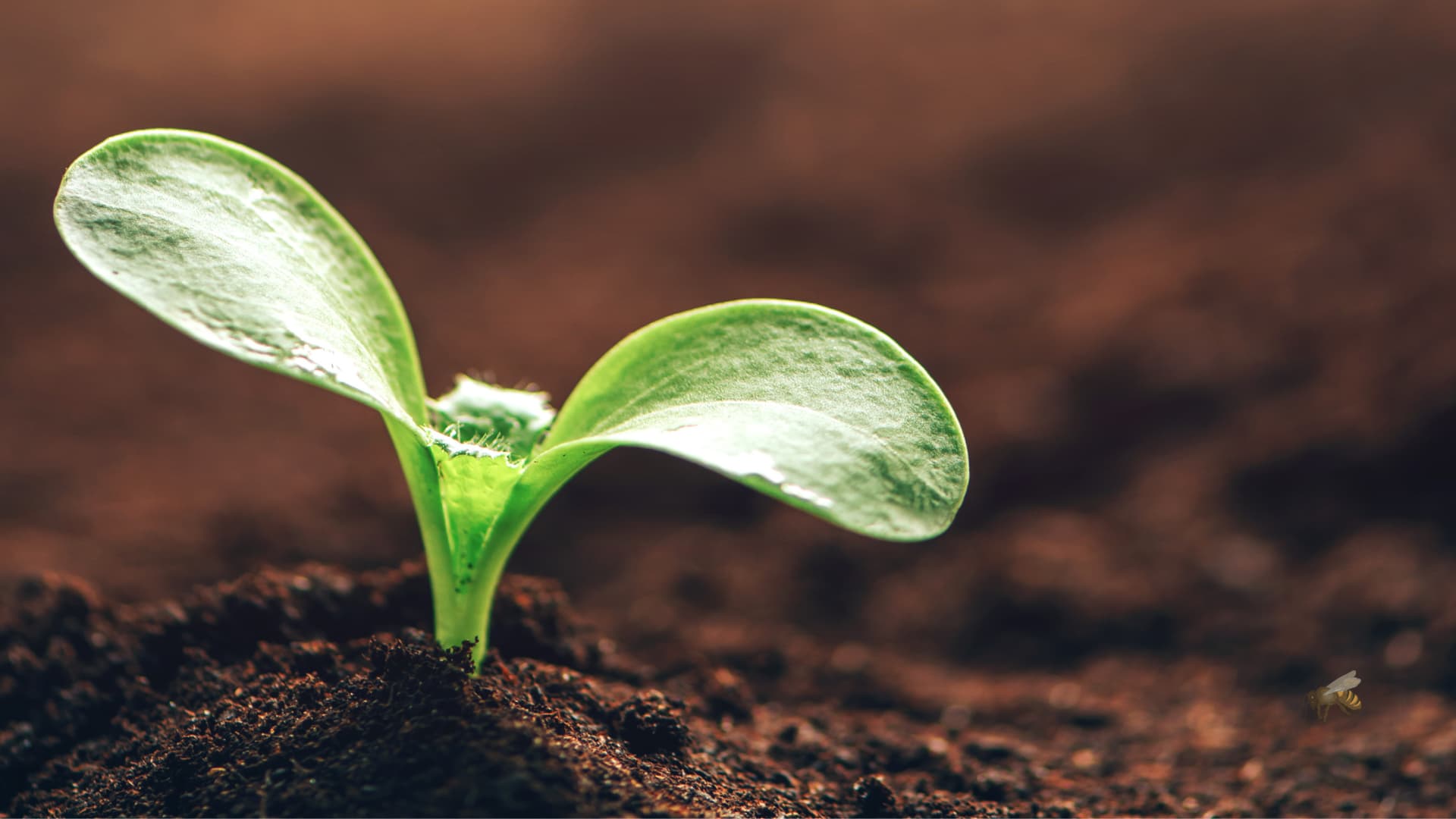
- Seedlings start as two small oval leaves, followed by softly scalloped true leaves with a faint licorice scent when rubbed
- Common mistake: planting too deep or crowding seedlings—anise hyssop likes light and airflow
Why Bees Love It
Tall, sturdy spikes of nectar‑rich purple flowers give bees an easy place to land and feed without being tossed around by the wind.
Versailles Cosmos
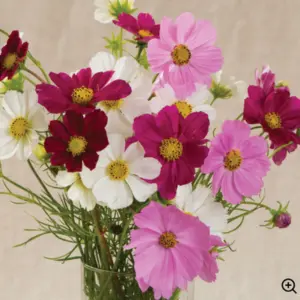
Cosmos sway in the wind and are light and airy, with feathery foliage that looks more like lace than leaves. Their colors are soft but cheerful, and they grow together in different heights. I always plant mine near sage plants—the greens and purples look like I planned it that way.
Cosmos don’t need much water (yes, it’s fine to neglect them a little in summer), but they bloom steadily from early summer through fall. Just remember to deadhead them to keep the flowers coming.
Quick Start
- Best planted: direct sow (indoors optional)
- When: after last frost
- Sun: full sun
- Water: light once established
What to Watch For
- Sprouts appear in 7–14 days
- Seedlings look like tiny green forks with feathery, thread‑like leaves soon after
- Common mistake: overwatering or over‑fertilizing—cosmos thrive on a little neglect
Why Bees Love It
Open, flat flower centers make perfect landing pads, with plenty of pollen and nectar to share across many blooms.
Giant Dahlia Zinnias
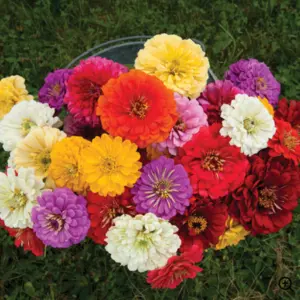
Zinnias are wonderfully easy to grow, and there are so many varieties to choose from. The bees don’t adore zinnias the way they do herbs, but they happily visit them late in the season—when zinnias are still blooming and other flowers have faded.
These particular zinnias are big. Some blooms grow to the size of a baseball! They’re an easy win no matter where you plant them, as long as you water and deadhead regularly.
Quick Start
- Best planted: direct sow
- When: after last frost
- Sun: full sun
- Water: regular
What to Watch For
- Sprouts appear in 5–10 days
- Seedlings have long, narrow leaves with a slightly rough texture
- Common mistake: overcrowding—zinnias need airflow to avoid powdery mildew
Why Bees Love It
Zinnias provide late‑season food when bees need it most, long after spring favorites have disappeared.
Calendula
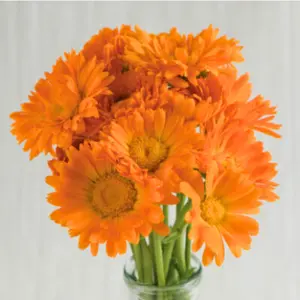
I love knowing random plant facts, don’t you? Calendula comes from the root word for calendar—because it blooms all season long, from early summer right through frost.
It’s also a wonderfully healing herb. I tuck calendula into pots, between tomatoes, and anywhere there’s bare soil. The bright orange flowers are cheerful and incredibly useful, especially for making salves.
Quick Start
- Best planted: direct sow (indoors optional)
- When: early spring after frost
- Sun: full sun to partial sun
- Water: light to regular
What to Watch For
- Sprouts appear in 7–10 days
- Seedlings have thick, paddle‑shaped leaves with a slightly fuzzy texture
- Common mistake: letting plants dry out completely during hot spells
Why Bees Love It
Truth? Calendula isn’t a top bee favorite—it’s a Queen Bee favorite. I grow it everywhere and harvest the flowers for Backyard Bees Calendula Salve.
Borage
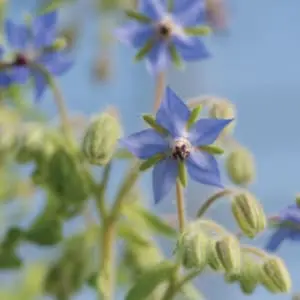
If you want to be amazed, pick borage as your beginner seed. It’s fast, satisfying, and incredibly rewarding. My favorite part? The baby leaves taste just like cucumber—seriously.
As a dietitian, I loved being able to share that borage is often gentler on sensitive stomachs than cucumbers. As a gardener, I’ll tell you this: borage is faster and easier to grow than cucumbers, hands down.
Quick Start
- Best planted: direct sow
- When: after last frost
- Sun: full sun
- Water: regular while establishing
What to Watch For
- Sprouts appear in 5–10 days
- Seedlings have thick, fuzzy leaves and sturdy stems right from the start
- Common mistake: transplanting—borage prefers to stay exactly where it’s planted
Why Bees Love It
Borage grows in a relaxed, slightly sprawling way. Bees love discovering the star‑shaped blue flowers tucked low and close to the ground—it’s like finding hidden treasure.
Growing Together
Growing a patch of flowers from bee-friendly seeds is an adventure I hope you try. It’s surprisingly painless when you don’t overthink it. There’s a particular joy in growing something from seed that simply can’t be replicated by buying plants at a nursery.
That’s why we started The Grow With Me Project this season (link) — to offer gentle guidance and encouragement for anyone who wants a little support along the way. And it’s why The Queen Bee’s Favorite Flower Seeds are available in our Bee Outside collection (link), for those who prefer to grow quietly and independently.
The bees will thank you for their unique sips of nectar — but mostly, you’ll thank yourself for slowing down and enjoying one of life’s simplest pleasures.