
Those Aren’t My Bees
A Beekeeper’s Guide to Honey Bees vs. Yellow Jackets
Every summer it happens.
A customer points toward a buzzing insect at the farmers market and says:
“Look! A honey bee!”
A neighbor calls asking if I can come rescue a colony of bees living in the ground.
Or someone at a backyard barbecue looks at me and says:
“Kathy, get your bees away from the hamburgers.”
Most of the time, they’re not talking about honey bees at all.
They’re talking about yellow jackets.
As a beekeeper, I probably spend almost as much time defending the reputation of honey bees as I do taking care of them.
So let’s clear up one of the most common cases of mistaken identity in the backyard.
The Picnic Test
If it’s hovering around your soda, watermelon, hamburger, or hot dog, there’s a good chance you’re looking at a yellow jacket.
Honey bees collect nectar and pollen from flowers. They’re usually focused on their work and have little interest in your lunch.
Yellow jackets are scavengers. By late summer, they’re actively searching for sweet drinks, fruit, meat, and anything else they can find. That’s why they’re often the uninvited guests at backyard parties.
If someone complains about “bees” at a barbecue, yellow jackets are usually the real culprit.
The Fuzz Test
One of the easiest ways to tell the difference is to look closely.
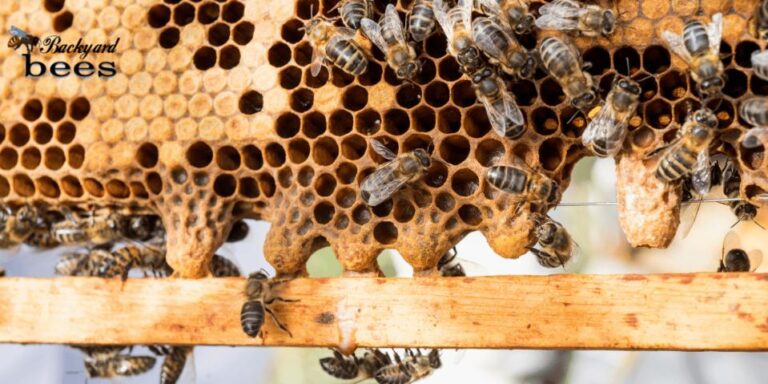
Honey bees are fuzzy. Their bodies are covered with tiny hairs that help them collect pollen while visiting flowers.
Yellow jackets are smooth, shiny, and sleek. They have bright yellow and black markings but none of the fuzzy appearance that makes a honey bee look almost teddy-bear-like.
Once you see them side by side, the difference becomes surprisingly obvious.
The Nest Test
One of the most common calls I receive goes something like this:
“I found a honey bee nest in the ground.”
Sometimes that’s possible, but most often the insects coming and going from a hole in the lawn are yellow jackets.
Honey bees generally prefer sheltered cavities such as hollow trees, walls, or bee hives provided by beekeepers.
Yellow jackets commonly build nests underground, under decks, inside retaining walls, and in other protected spaces around the yard.
The Personality Test
Honey bees have a full-time job.
They’re collecting nectar, gathering pollen, raising young bees, storing food, and keeping the hive running.
They’re busy.
Yellow jackets have a different lifestyle.
By late summer, when natural food sources become harder to find, they become increasingly interested in human food and drinks. This is one reason they seem more aggressive during August and September than they do earlier in the season.
Do Honey Bees Sting?
Yes.
Honey bees can sting, and a sting is never fun.
But honey bees are generally not looking for trouble when they’re away from the hive. Most are focused on gathering food and returning home.
Yellow jackets can sting multiple times and tend to be much more defensive around their nests.
If you’ve ever had a painful encounter with a yellow jacket, it’s understandable that you don’t want to repeat the experience.
Just don’t blame the honey bees for it.
Will Buzz Off Keep Yellow Jackets Away?
This is another question I hear all the time.
The short answer is: not really.
Buzz Off was designed to make people smell less appealing to mosquitoes and other biting insects. Yellow jackets aren’t looking for a blood meal. They’re looking for food.
If yellow jackets are becoming a problem around your home, the best strategies are usually simple:
- Keep garbage cans covered.
- Clean up food spills promptly.
- Avoid leaving sugary drinks uncovered outdoors.
- Cover food during picnics and parties.
- Harvest overripe fruit from trees and gardens.
Reducing food sources is usually much more effective than any spray, lotion, or repellent.
A Little Respect for Both
Honey bees and yellow jackets are very different insects, but both are part of the natural world around us.
Honey bees help pollinate gardens, farms, and backyard flowers while producing the honey we enjoy.
Yellow jackets can be valuable predators that help control other insect populations.
The next time you see a yellow-and-black insect flying through the yard, take a second look before calling it a bee.
And if it’s hovering around your hamburger?
Please don’t blame my bees.