
A Walk With a Beekeeper
The Purple Edition- April 2026
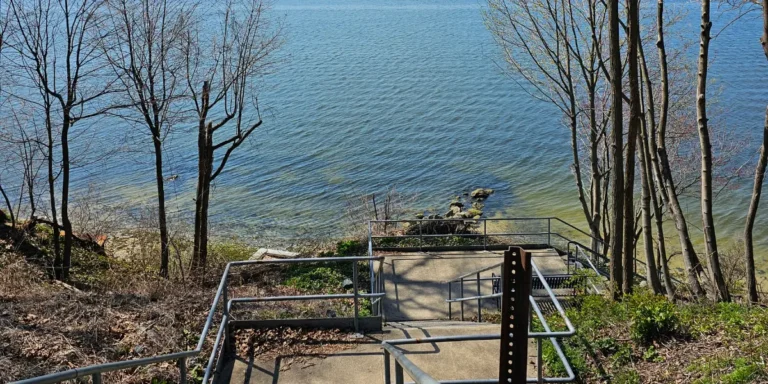
Today, I took a walk through Glen Head to visit a homebound friend.
I packed a small bag—zinnia seeds, anise hyssop, a jar of honey, and a little Secret Garden tea. Something simple to brighten her day.
Along the way, I thought I’d spy on the bees… to see who they were visiting on this kind of day—clear, warm, and full of promise.
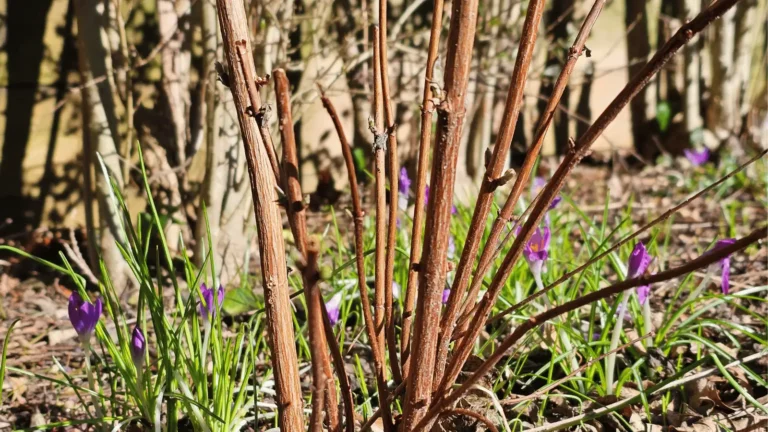
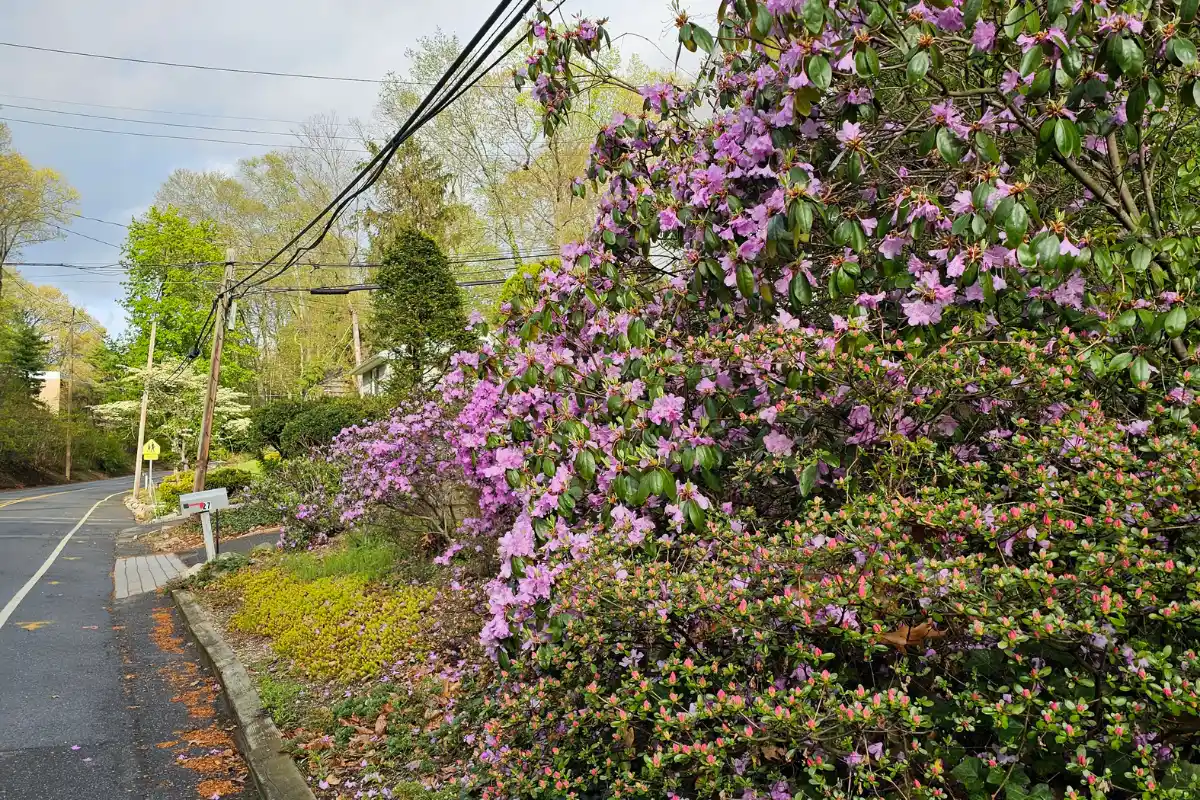
And everywhere I looked, there was purple.
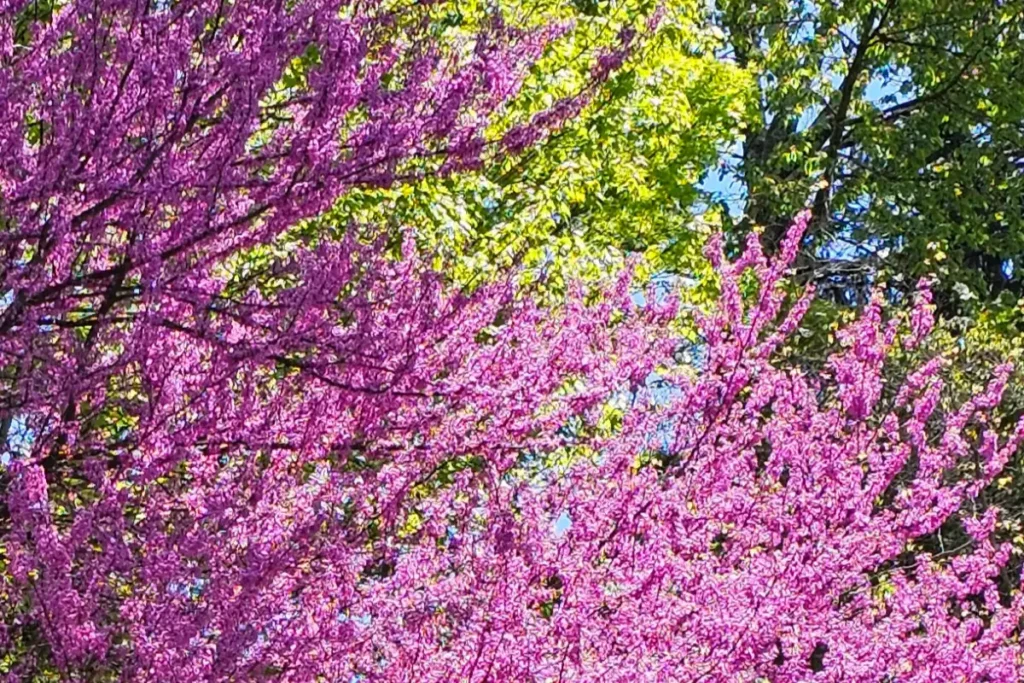
The Eastern redbud—my favorite kind of purple—glowing from someone’s backyard, just out of reach.
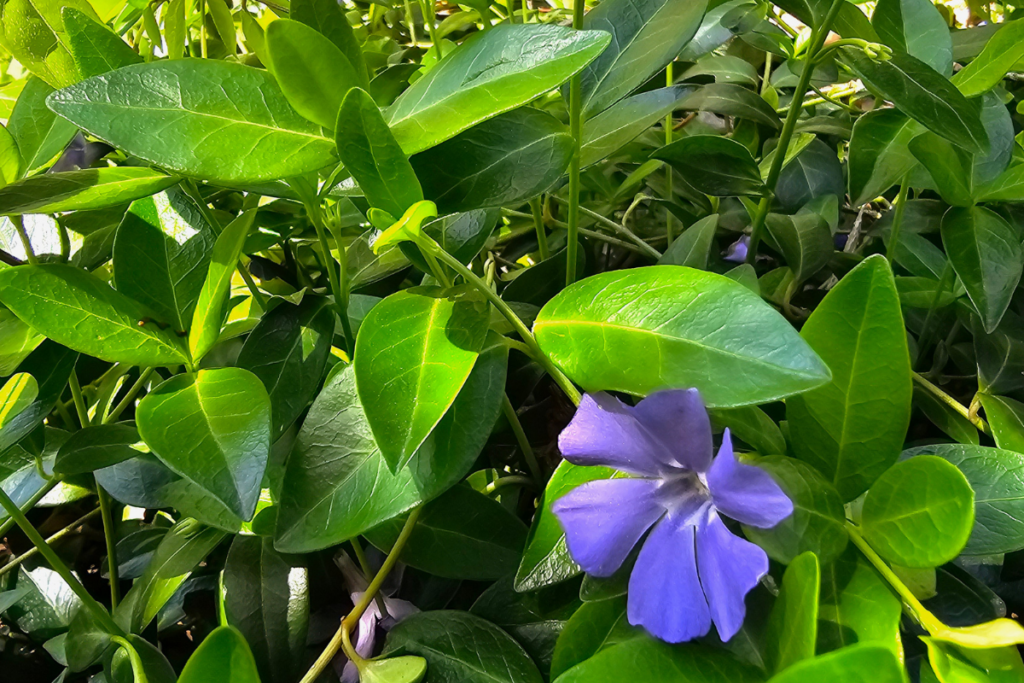
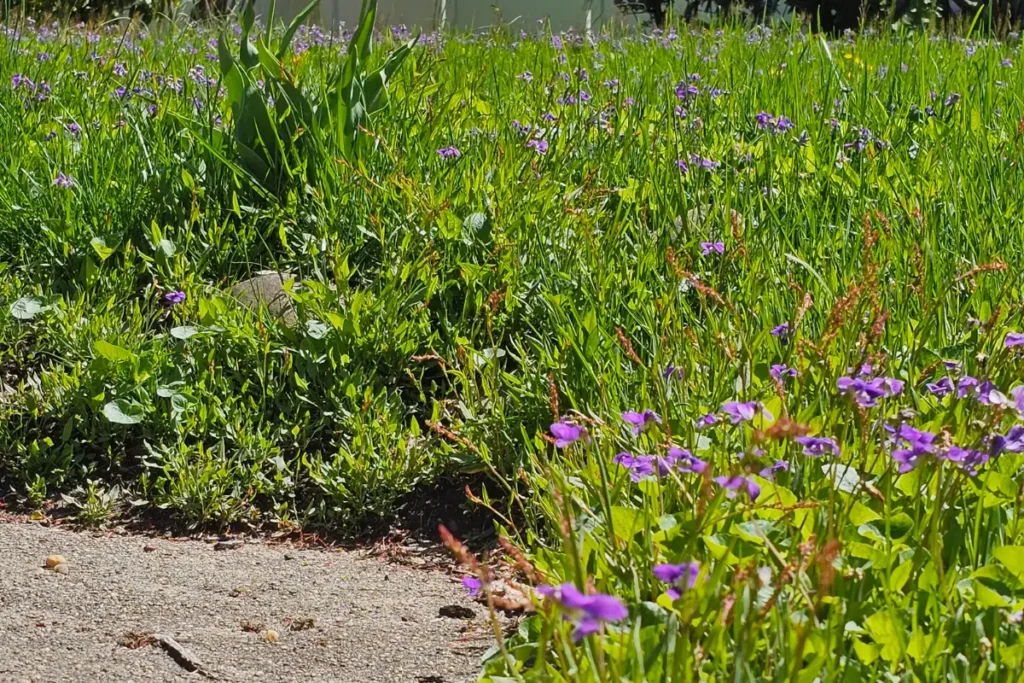
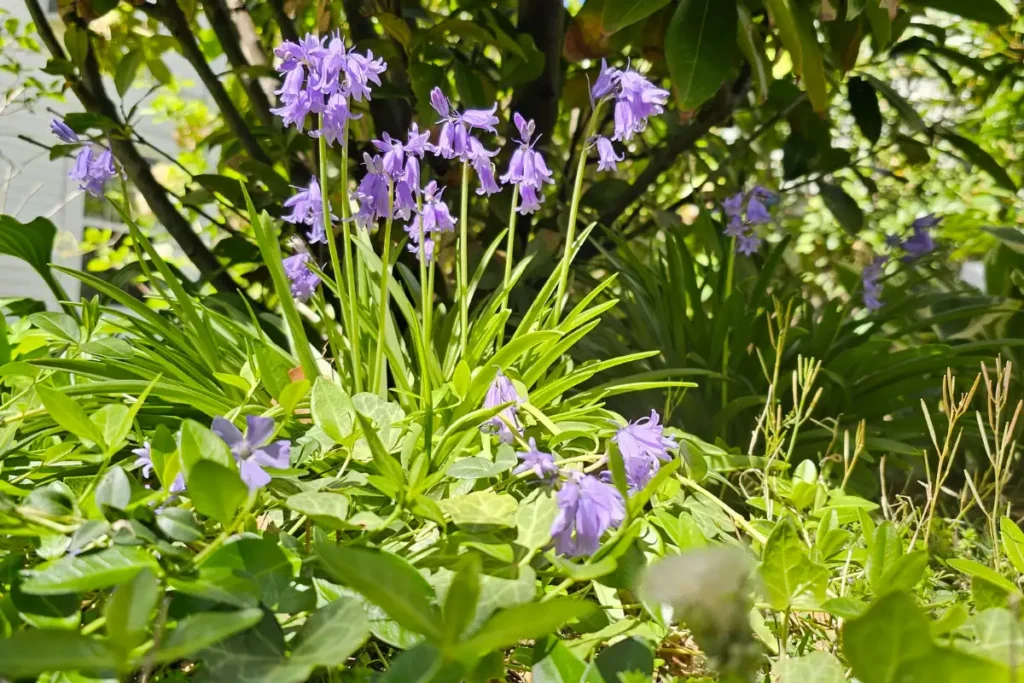
Vinca crawling low to the ground.
Tiny Johnny jump-ups tucked into garden edges.
Bluebells.
Purple, everywhere.
I started to wonder which purple flowers bees love the most.
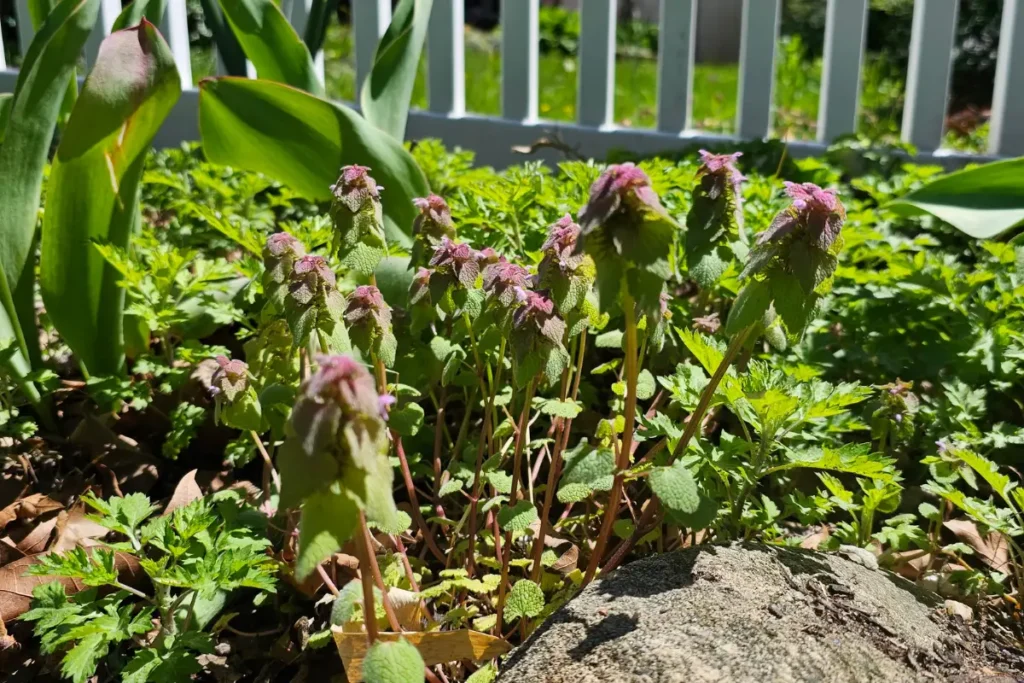
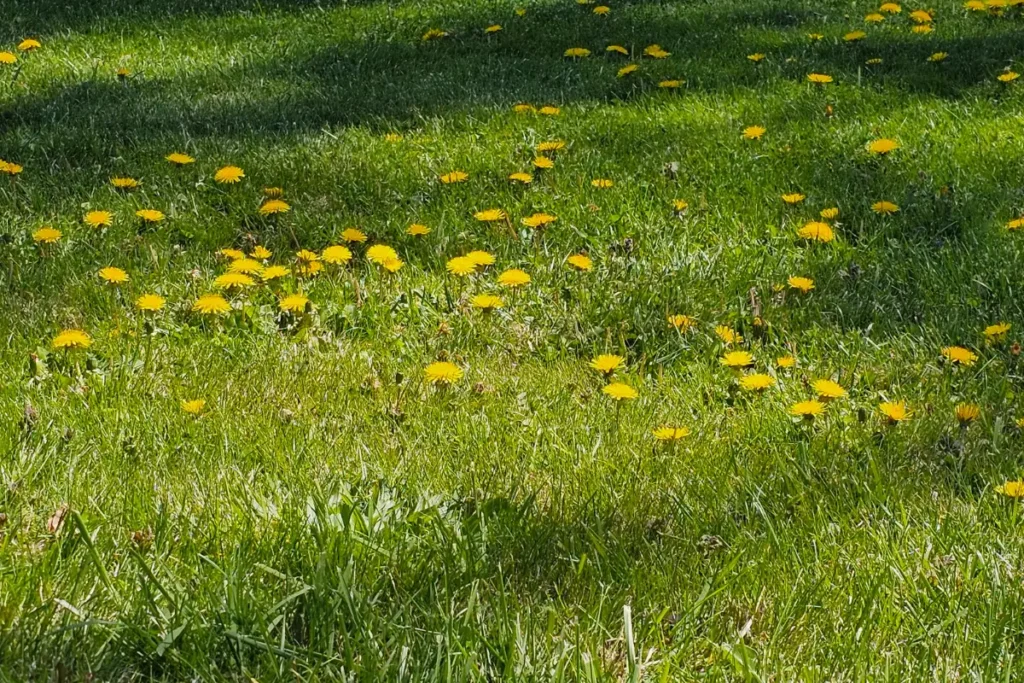
Even the purple deadnettle, mixed in with the dandelions… though much of it had already been cut back.
It always comes back.
(and maybe…just maybe, it should)
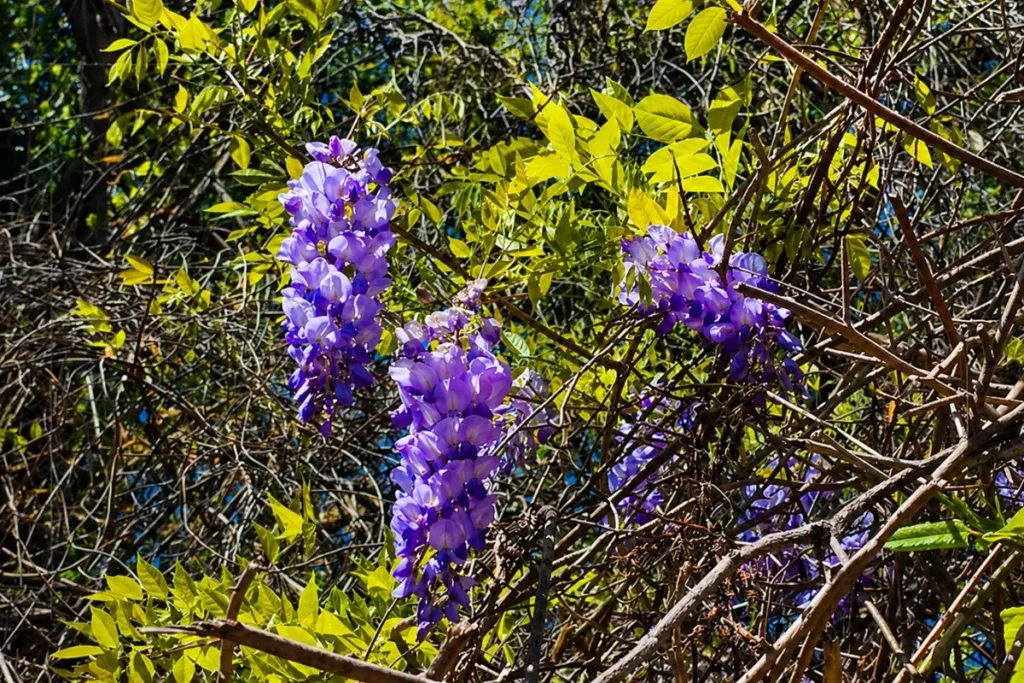
Along the golf course, the wisteria was in bloom—dripping in long, heavy clusters of purple.
And high up, almost too far to see, you could catch the flicker of movement.
The bees were there.
It was a purple hot spot.
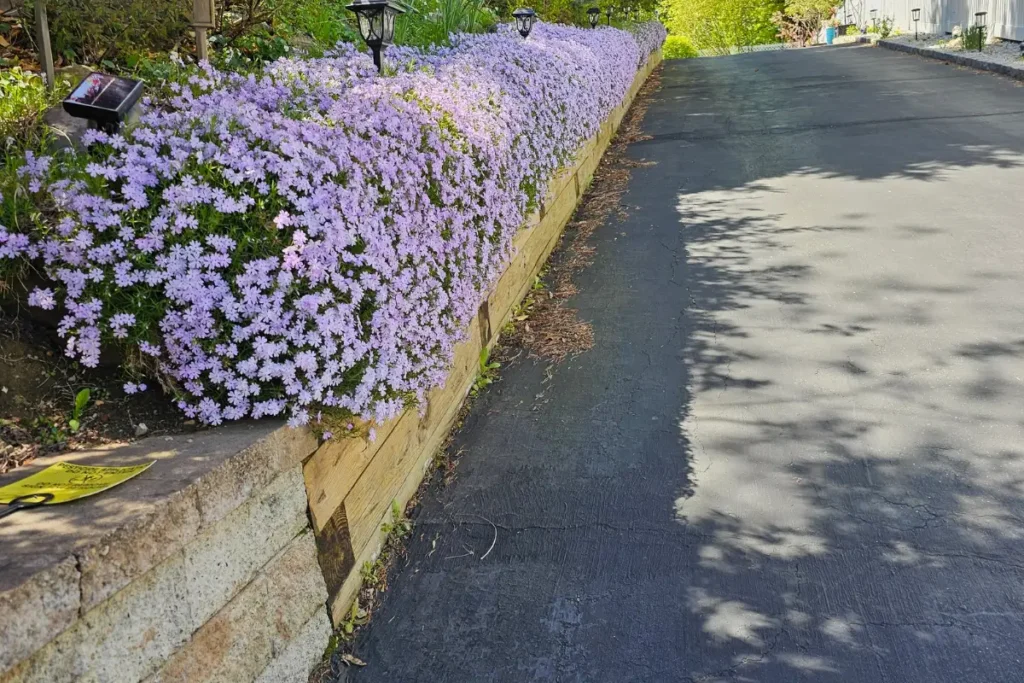
I kept walking.
A hedge of phlox—thick, bright, impossible to miss.
Grape hyacinths.
Lilac bushes in bloom.
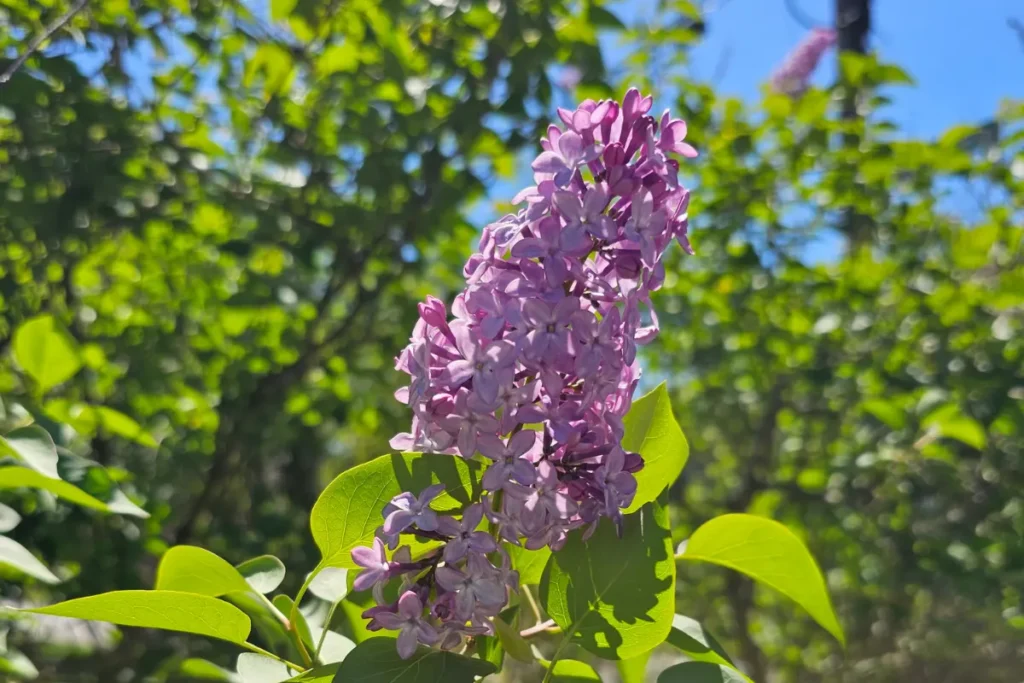
More purple.
But… quiet.
If you read enough garden guides, you’ll start to notice a pattern—bees are often said to favor purple over pink.
And maybe that’s true.
But today, the story wasn’t about preference.
It was about choice.
And then, finally, I made my way home.
And there they were.
Buzzing and gathering along the white flowered racemes of the skip laurel lining my yard.
Not purple at all.
I stopped for a moment… and smiled.
On a day filled with purple, the bees chose something else.
It’s a small reminder as the season begins—
it’s not just what’s blooming…
it’s what’s being used.
If you step outside today, take a look around your own yard or neighborhood.
Where are the bees actually landing?
In the How Bee Friendly Is Your Neighborhood? scorecard, we often think in terms of color, variety, and what’s recommended.
But sometimes the biggest clues are right in front of us.
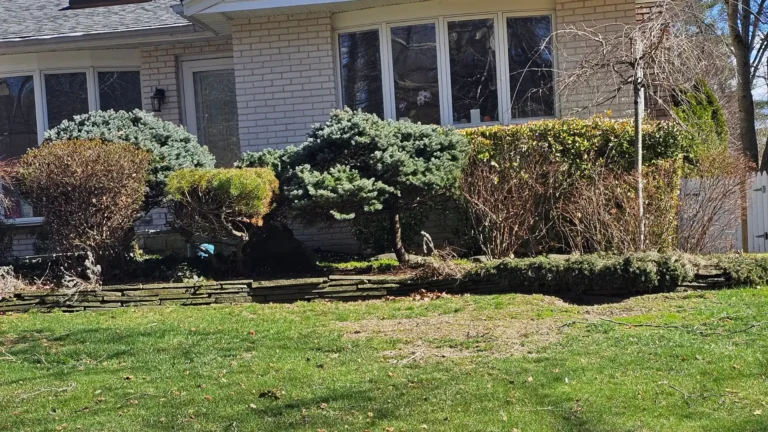
A hedge in bloom.
A patch of something we almost pulled out.
Or something unexpected, humming quietly along the edge of the yard.
If you’re keeping score this spring, you might give a few extra points for:
– any plant you actually see bees visiting
– early bloomers like deadnettle that show up before much else
– flowering hedges like skip laurel, doing more work than you might expect
Color can catch our eye.
The bees tend to be a little more particular.
The bees notice.
We’re just learning to follow.
(See more of what the bees are noticing → The Bees Noticed)