
A Walk With a Beekeeper
Early Spring in Glen Head — March 2026
It wasn’t a long walk—just to the post office and a simple loop back home.
The winds have been fierce, and the temperature read “42°F, feels like 34.” By afternoon, things had calmed a bit, but not enough to make it inviting. I’ll be honest—I didn’t want to go at all.
But the sun was shining. The sky was a clear, brilliant blue.
And as my mother used to say, sometimes you just need to get outside and “blow the stink off.”
The bees do that too—on the first warm-enough days, they take short cleansing flights.
So I went out to see what they might find.
Slow Going
With just a few days to go before spring, the North Shore doesn’t offer much.
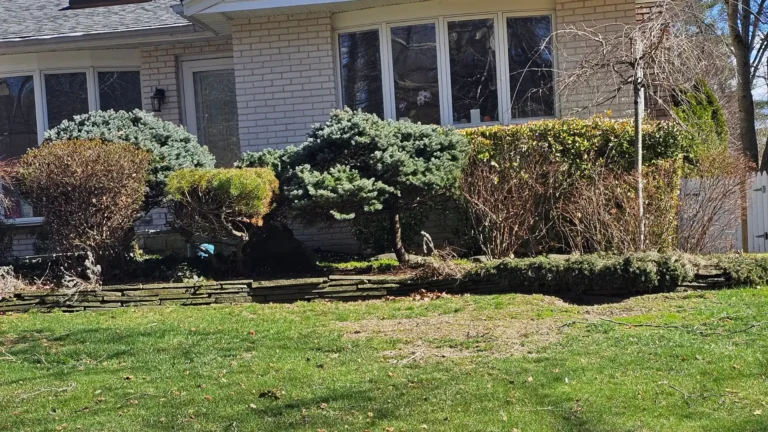
Brown lawns. Trimmed shrubs. Clean edges.
Everything looks maintained—but from a bee’s perspective, it’s mostly empty.
It also makes you wonder—how bee-friendly is your neighborhood, really?
Big Lawns
Most homes here have generous front yards. Thankfully, they aren’t paved over like in the city.
The homes I passed were neat. Well cared for. Tidy.
And everywhere—zoysia grass.
Zoysia is often considered eco-friendly. It’s low-maintenance, drought-tolerant, and doesn’t need much mowing.
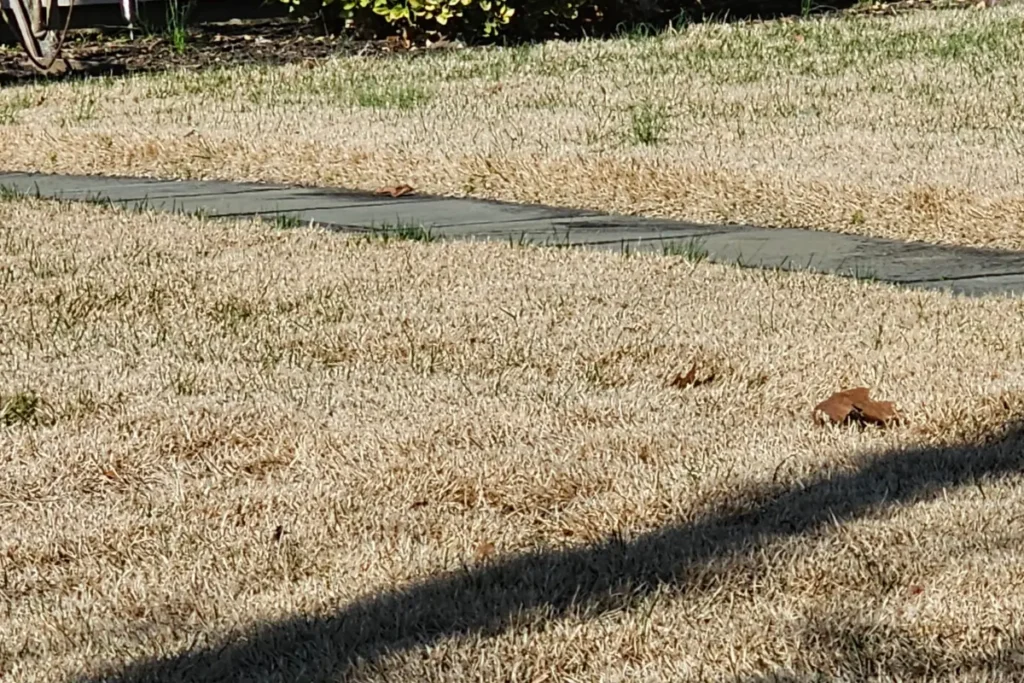
Right now, though, it’s straw-colored. Almost desert-like.
And that’s not far off.
It grows so densely that very little else can push through:
No clover.
No dandelions.
No “weeds” at all.
Just a uniform stretch of brown with nothing to land on, nothing to forage, nothing to bring back to the hive.
It will turn green soon. It will look beautiful.
But for the bees, it will still be a quiet place.
Landscaped… but Not Alive
As I walked, I started to notice a pattern.
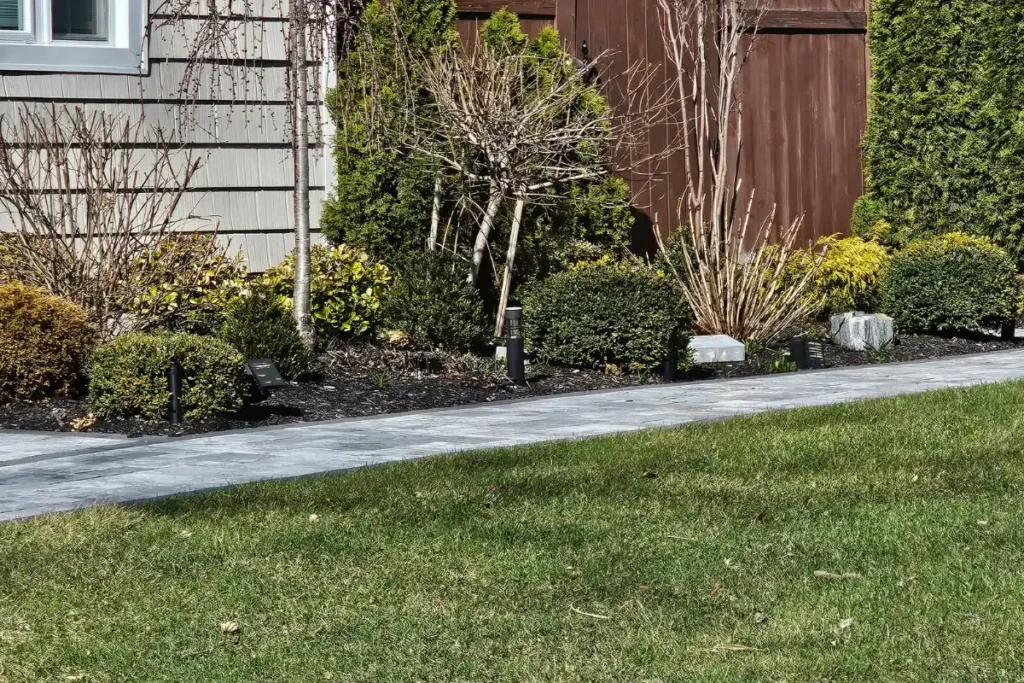
Beautiful homes. Thoughtful design.
Grass. Shrubs. Mulch.
Boxwood. Juniper. Arborvitae.
Sometimes mulch. Sometimes stone.
From a maintenance perspective? Perfect.
From a pollinator perspective? Silent.
A Moment That Made Me Pause
One home had a small Virgin Mary statue tucked into the landscape.
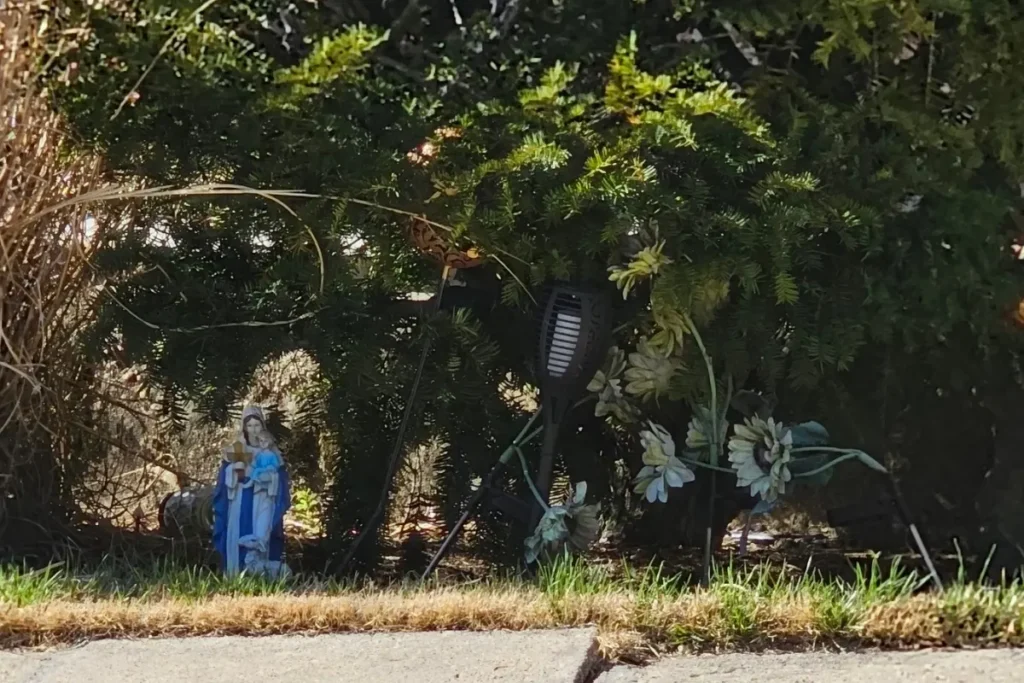
It was easy to miss—but it brought just enough contrast to catch my eye.
It made me think of Mary Gardens—spaces traditionally filled with plants associated with her: roses, lilies, and other symbolic blooms.
Today, though…
There were no flowers. No nectar. No signs of life for pollinators.
Just the idea of a garden.
The First Signs
And then—small things.
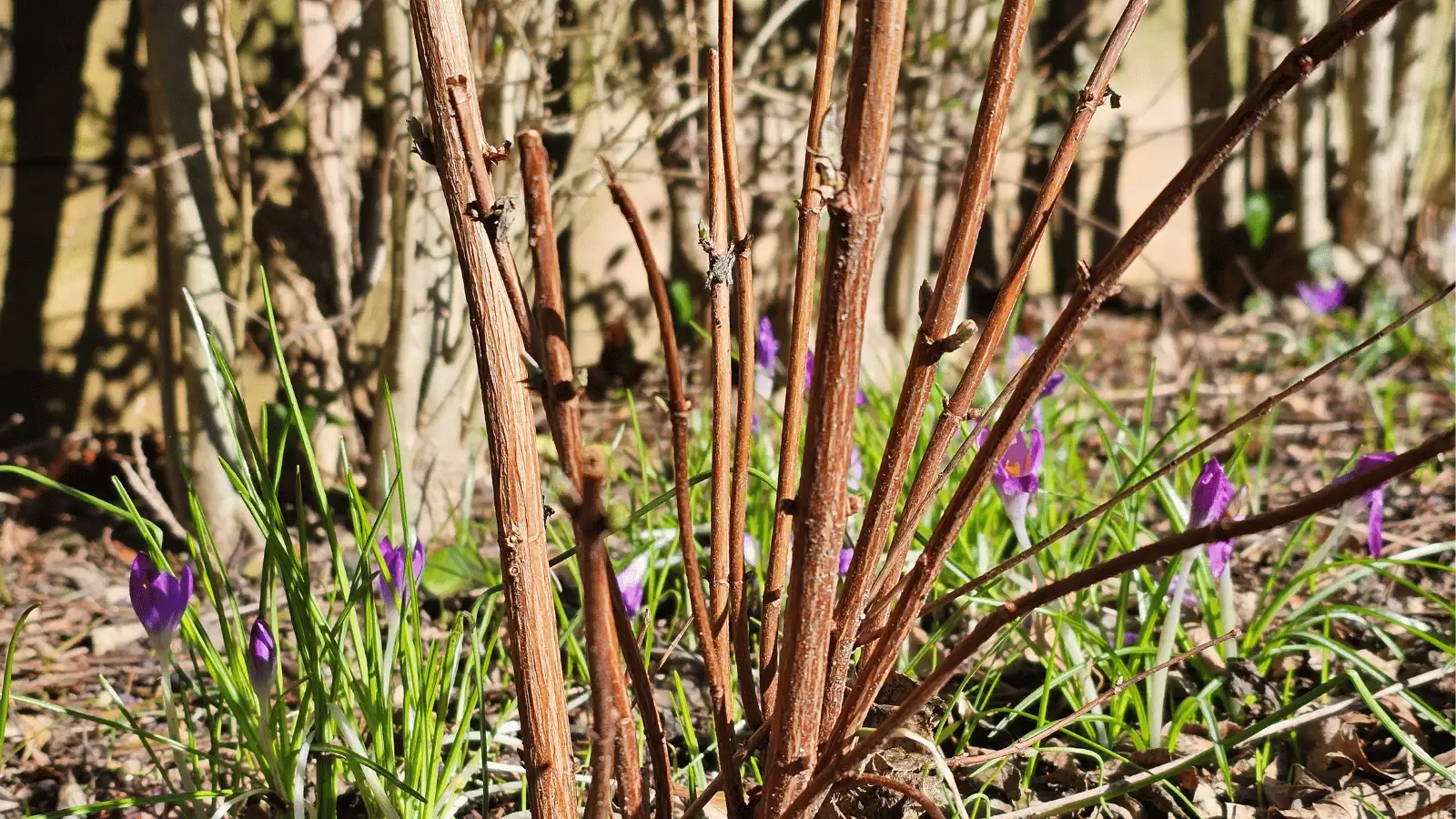
A single crocus.
A small cluster of snowdrops.
One yard where daffodils were just beginning to push through.
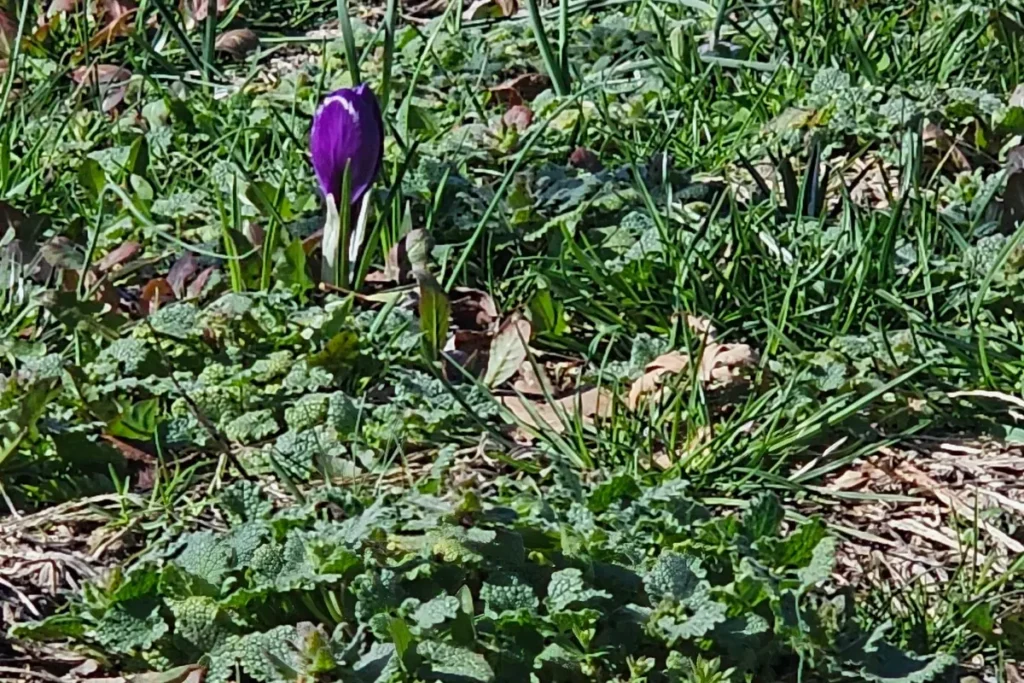
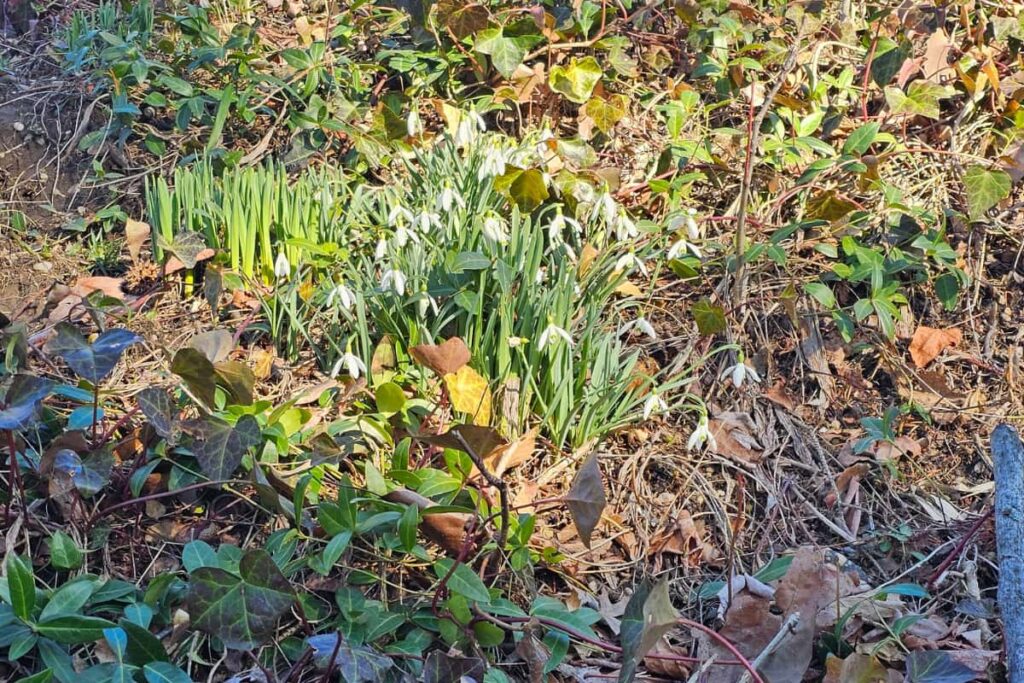
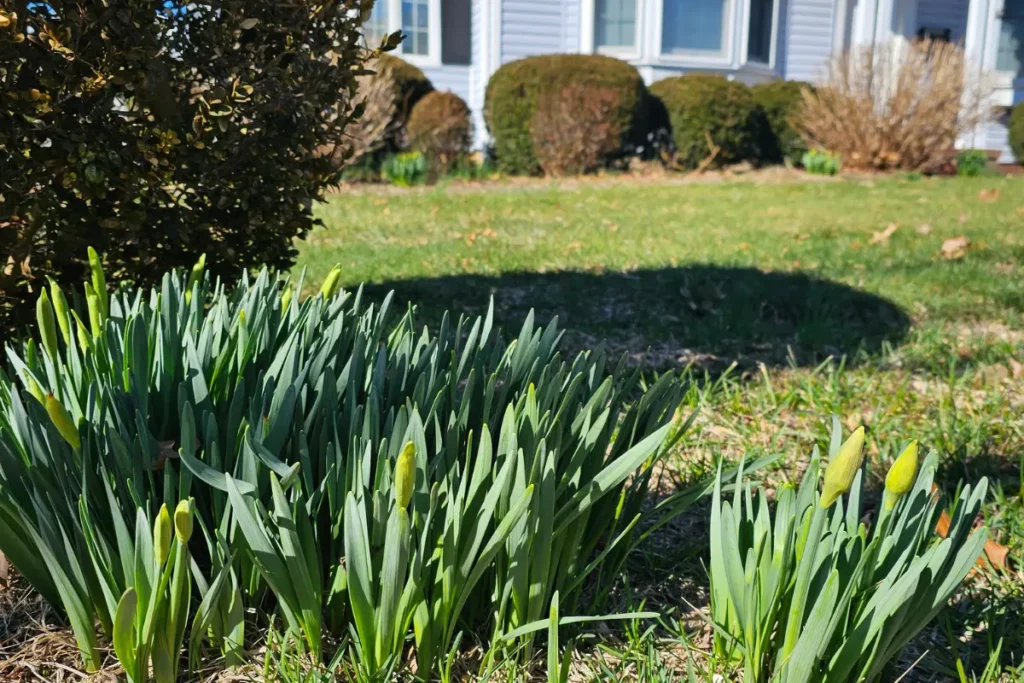
These are the plants that matter right now.
They’re not showy.
They don’t take over a yard.
But they are among the very first food sources available when bees begin to emerge.
Quiet Hope
Walks like this are a simple way to start seeing how bee-friendly a neighborhood really is.
This early in the season, it doesn’t take much to make a difference.
A few bulbs.
A small patch left alone.
Even one cluster of flowers.
Because when the landscape is mostly empty…
those small moments stand out.
I saw it clearly in my own backyard when I got home.
Want to take a closer look at your own yard?
→ How Bee-Friendly Is Your Neighborhood?
These are the kinds of small moments I share in #thebeesnoticed.
Bee-Friendly
The bees will notice.