
Springing Ahead In January
I did a mid-winter visit to some of my bees yesterday.
January. Fifty-two degrees. In New York.
It could have been a depressing visit — and if I wanted to spiral about what 52 degrees in January really means, I could have. But instead, it was unexpectedly encouraging.
These hives have challenged me for two years. On paper, they should be thriving. They sit on private land with full sun, tucked behind a generously sized apple orchard. Spring forage is abundant. Summer blooms stretch wide. And yet, year after year, something falters. Hive beetles surge. The queen and her attendants struggle. Honey production slows, then stops.
This past season was especially hard. The heat. The drought at the tail end of summer. I’ll be honest — I did not expect these hives to survive the winter.
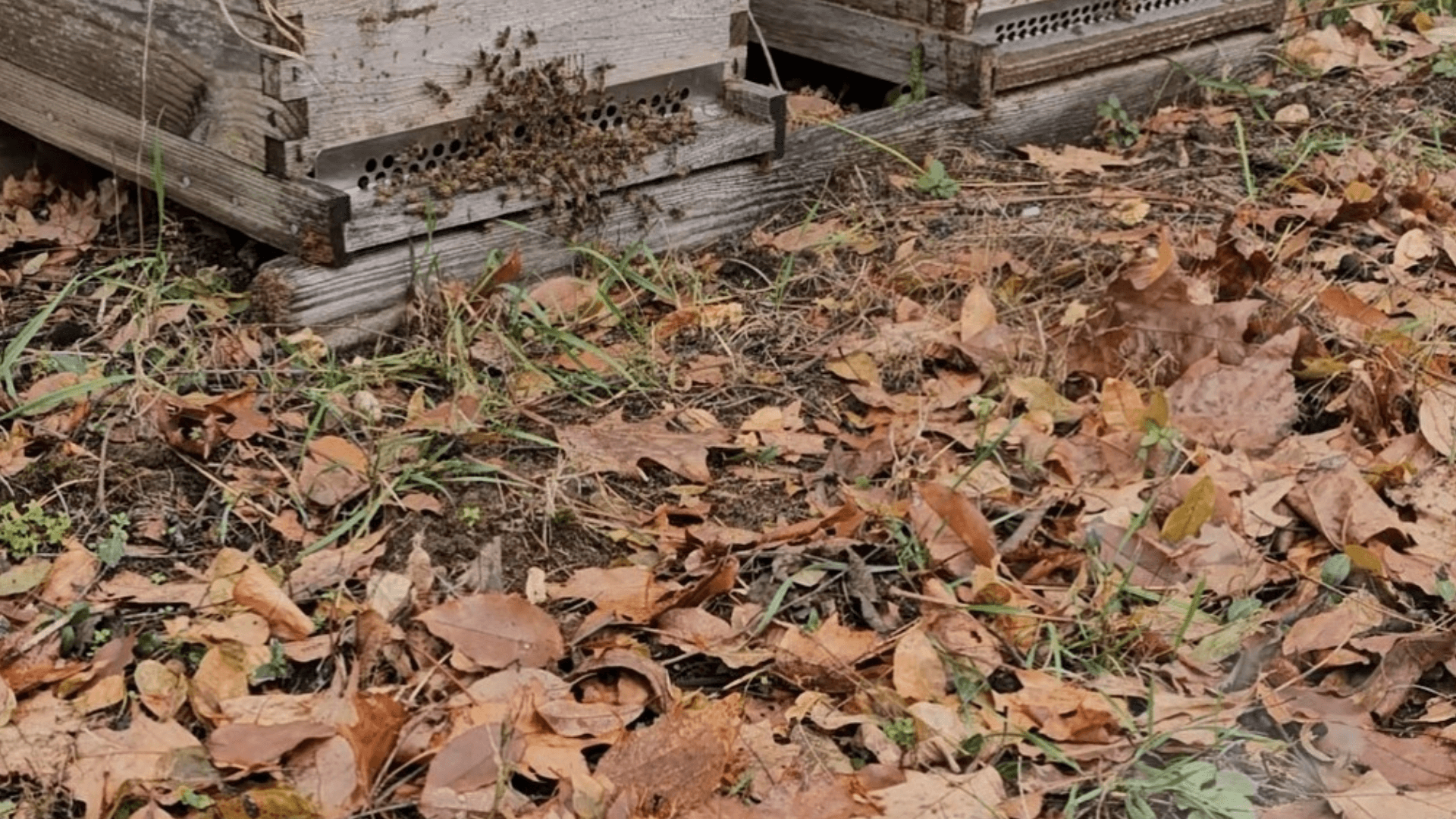
And yet there I was, leaning against a tall linden tree, winter sun on my face, watching bees take cleansing flights. Airing themselves out. Flying. Alive.
Tiny honey bees are remarkable in their winter survival techniques — and still, seeing them fly in January caught me off guard.
save for later
I smiled. I breathed deep. And I felt something I hadn’t expected to feel at all.
Hope.
Hope for their continued health. Hope for spring. Hope for the moment — late June into early July — when the linden trees bloom.
The Scent I Found Before I Knew Its Name
Long before I kept bees, long before I knew what a nectar flow was or how to read a hive like a book, I “discovered” the linden tree by accident.
I used to be a runner. I trained on a six-mile route between Sunnyside and Astoria, cutting through industrial streets near LaGuardia’s flight paths, alongside the constant hum of the BQE. It wasn’t a romantic route. Concrete, exhaust, noise — and my own breath pushing back at me.
But every year, for a few short weeks, something softer cut through the chaos.
A sweetness in the air.
Honeyed. Floral. Calm — almost impossibly so.
I could smell it before I ever saw it.
Above the pollution. Above the traffic. Above my salty sweatiness.
I didn’t know then that it was a linden tree brightening my evening run. It was just a magical block or two of perfumed air.
Linden fragrance floats — soft, sweet, lightly honeyed, with a green note underneath. It’s a scent that travels. That’s why I could smell it years ago while running past highways and airport fences, long before I ever learned to look up and find the source.
It’s also why bees love it.
Scent guides them. And linden’s fragrance is a beacon.
Look Up
To really appreciate a linden tree, you have to look up.
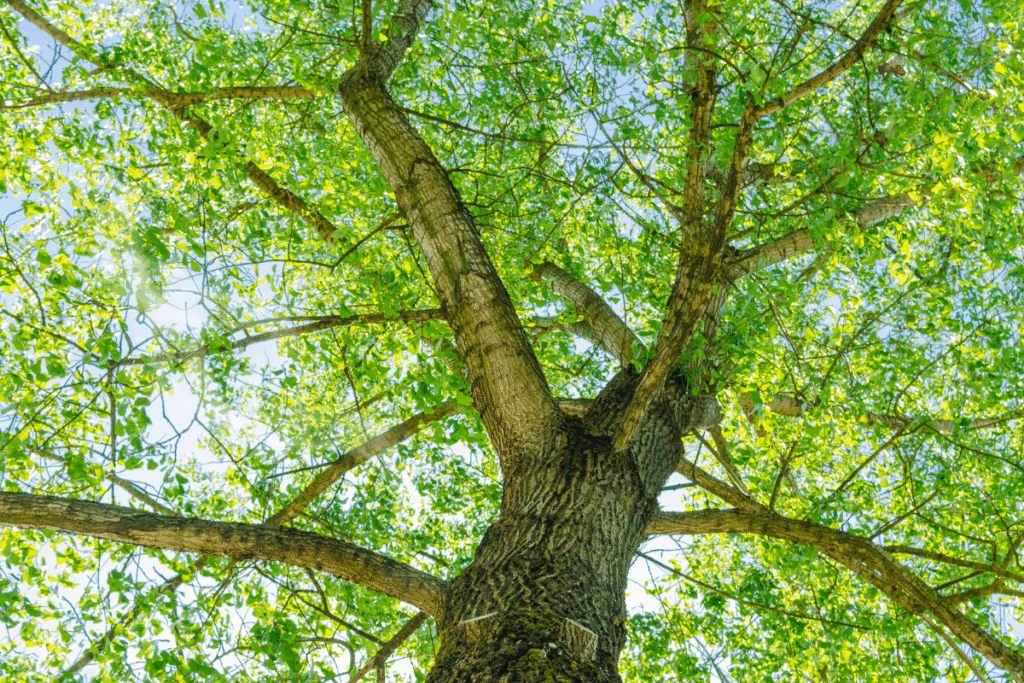
The trees grow tall and wide. You probably notice the trunk, but not the branches stretching high above — offering shade, rest, and a gentle spring breeze. When you stand beneath one in bloom and look up, the world changes.
You’ll see layers — heart-shaped leaves, pale yellow blossoms, delicate bracts drifting in the light.
And movement. Always movement.
Honeybees, of course. But also bumblebees, native bees, hoverflies, beetles — a full gathering of pollinators drawn into the same quiet celebration. A party in the trees.
The air vibrates with the music of the bees — not loudly, not urgently — just enough to let you know something important is happening.
For a beekeeper, this is what keeps us going.
A Few Linden Facts (That Matter to Beekeepers)
Linden trees are European in origin, but they grow easily in New York and are far more common than most people realize. They were planted widely in parks, along streets, and in public spaces for their shade and beauty.
People don’t always notice the trees — but pollinators do. And beekeepers do.
When lindens bloom in the New York area, it signals a turning point in the beekeeping year. Colonies that made it through winter and the uncertainty of early spring finally hit their stride. Queens are laying steadily. Foragers return heavy and content. The bees are strong enough now to take full advantage of a major nectar flow.
When the lindens bloom, the season has truly arrived.
The bees are safe.
And beekeepers can finally stop holding our breath.
A Little Bit About Linden Honey
Technically, I could label my honey from this location as a varietal — Backyard Bees Linden Tree Honey. The hives sit beneath a massive linden, and the surrounding landscape holds at least six more mature trees.
But I don’t.
First, timing matters. Pure linden honey is rare — pale, aromatic, and gently floral. To harvest a true linden honey, I’d need to take honey early, just as the season is settling in. And that never feels right to me.
I wait. I watch. I let the bees build up their stores. I don’t take honey until July, when I know — without question — that they have more than enough.
Second, there’s another way to share the linden.
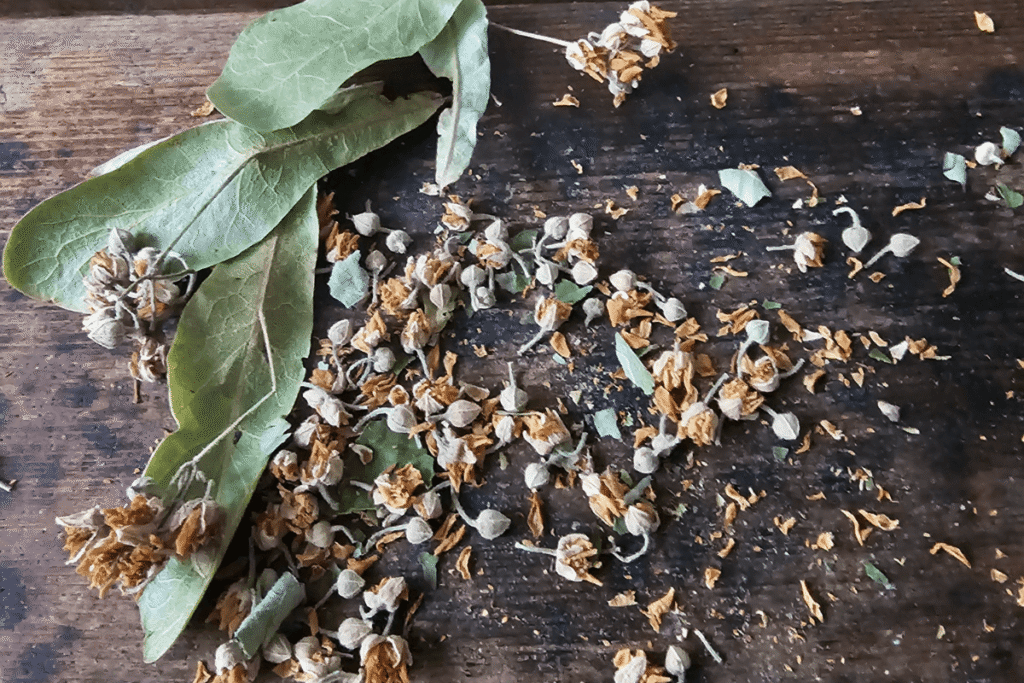
I harvest the flowers and bracts gently. I dry them slowly. I pour raw honey over them and let time do its work — steeping, infusing, softening. Then I strain the blossoms away.
The result is Backyard Bees Linden Tree Infused Honey — subtle and fresh. Sweet, of course, but delicate. A quiet echo of spring.
So that’s what I do. Small batches. Just enough to share the calming abundance of the linden tree in a jar.
Back to January
For me, the linden tree is more than a nectar source or a beautiful memory. It is a marker.
A moment in the beekeeping calendar that says:
You made it this far. The bees made it. The season has turned.
So when I stood beneath that tree on a warm January day, watching bees fly when I never expected them to, I felt hopeful. Hopeful that the strength of the linden will carry them forward. Hopeful they’ll make it to the first crocuses and dandelions of spring.
Even though the tree was bare, I looked up — and remembered.
The bees.
The fragrance.
The spring.